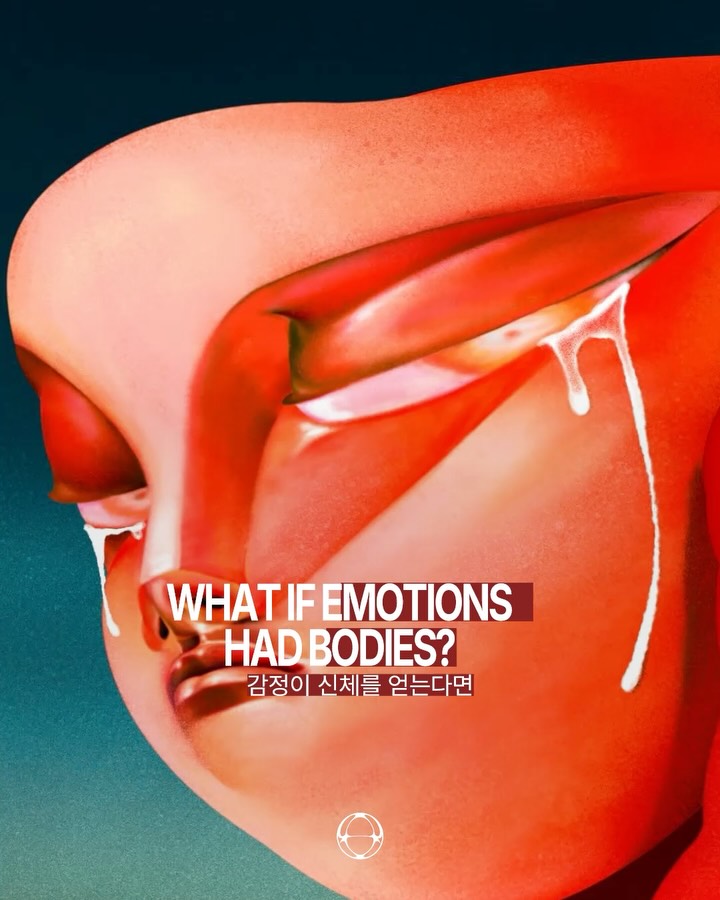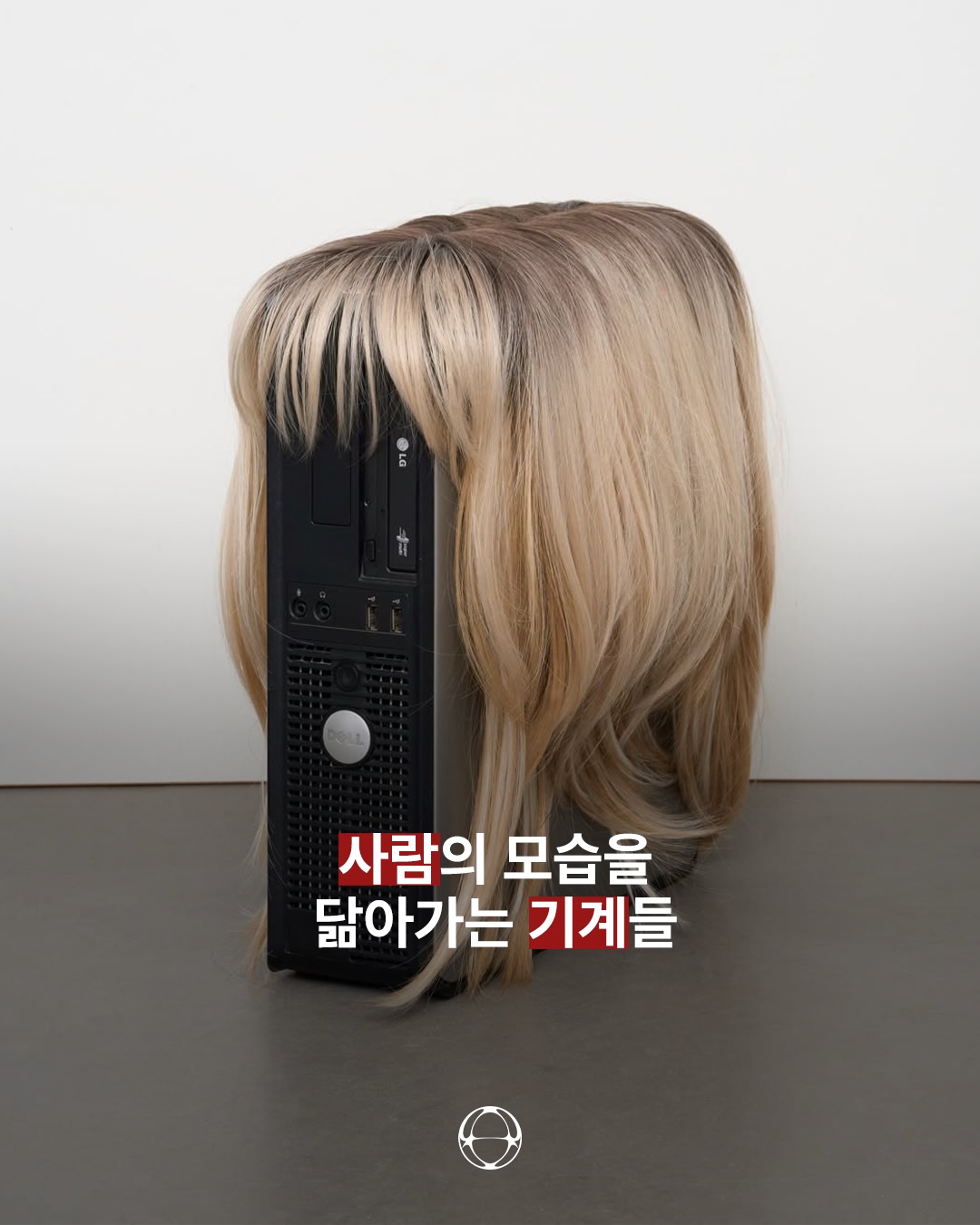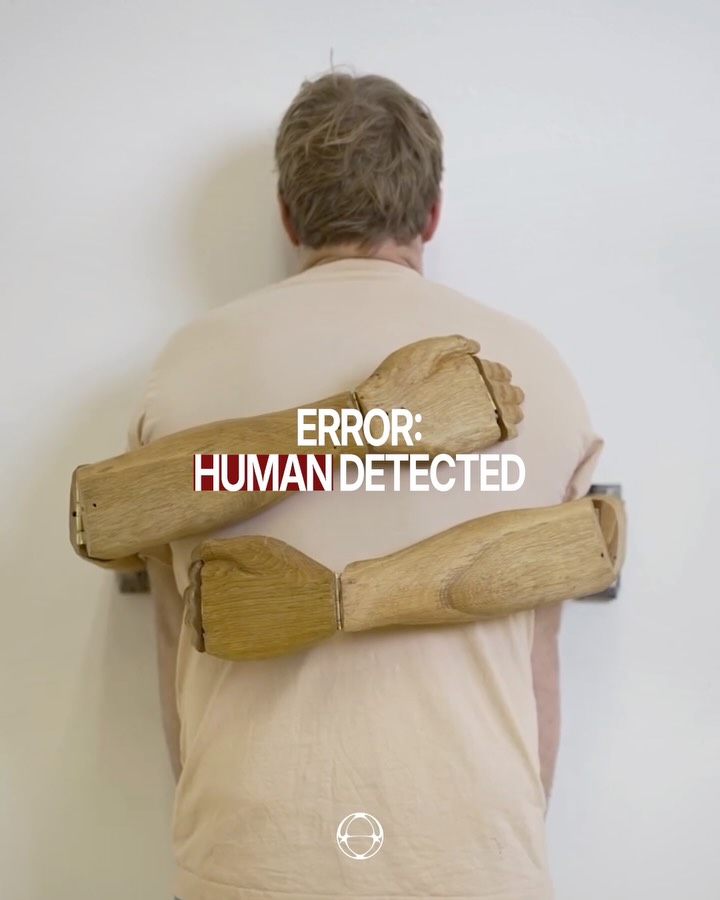
With a background in mechanical engineering, Grosse-Ophoff has visualized complex psychological states such as anxiety, obsession, and hesitation. His work featuring wooden mechanical arms repeatedly performing an embracing gesture mimics human affection while paradoxically failing to convey true warmth. Viewers experience both humor and tension within these movements.
Grosse-Ophoff's practice continuously traverses the border between machine and human, posing essential questions. As technology advances, machines increasingly resemble humans, but what constitutes the fundamental difference? His moving sculptures remind us that while emotions can be imitated, they can never truly be felt by machines. This message resonates profoundly as we navigate an AI-driven era, challenging us to reconsider what makes us human.


FAQ
What kind of artist is Jakob Große Ophoff?
Jakob Große Ophoff is a German kinetic artist who, with a mechanical engineering background, creates moving sculptures resembling human emotions and gestures using motors and cranks. He explores boundaries between machine and human by visualizing psychology like anxiety, obsession, and hesitation.
Can machines express emotions in kinetic art?
In kinetic art, machines can mimic emotions but cannot truly feel them. Jakob Große Ophoff's works imitate human gestures through repetitive movements, yet through this gap reveal the essence of emotions that machines can never reach.
What characterizes Jakob Große Ophoff's works?
His works are repetitive-movement sculptures made from wood and mechanical parts, simultaneously containing humor and strange tension. They characteristically combine mechanical engineering precision with human psychological instability, continuously traversing boundaries between machine and human.